
What happens when a company becomes the target of public outrage over something it didn't do? A real-world crisis reveals why facts alone aren't always enough to protect a reputation.
One of the more frustrating calls a public relations professional can receive is from a company facing a crisis it had absolutely nothing to do with. No corporate misconduct, no executive making an ill-advised decision and no employee acting on behalf of the organization. Yet somehow, the company has become the center of a controversy, and thousands of people are demanding accountability.
After more than 30 years in public relations, I've learned that being innocent of an accusation doesn't necessarily protect a company from its consequences. In fact, defending yourself against something you didn't do can be more complicated than responding to a mistake you actually made. At least when a company makes a mistake, there's a clear path to acknowledging it, correcting it and rebuilding trust. But how do you apologize for something that wasn't your responsibility in the first place?
A few years ago, TrizCom PR received a call from a Houston-based company facing exactly that situation. It remains one of the clearest examples I've encountered of how quickly misinformation can turn into a reputational crisis.
How Does a Stranger's Behavior Become Your Company's Problem?
It started on a Sunday afternoon in Louisiana. A man stopped at an intersection directed racial slurs toward a woman in another vehicle. She recorded the encounter and posted the video on social media. The behavior was offensive, and the public reaction was immediate.
By the following morning, the video had attracted approximately 1.5 million views and 10,000 retweets. Social media users began investigating the man's identity, searching for his employer and encouraging others to contact the company they believed employed him.
That company was our client.
There was just one rather important detail the internet investigators overlooked. The man no longer worked there. He had been employed by the company for only a few months and had left more than four weeks before the incident. His LinkedIn employment profile had not been updated, leaving a digital connection that appeared current but wasn't.
The situation became more complicated when people discovered a photograph on the company's Facebook page that included the former employee. The photograph had been posted before his departure, but its timing and context were largely irrelevant to an audience that had already reached a conclusion.
Within hours, the company's social media accounts were flooded with accusations. Its phones rang constantly, employees received hostile messages and online commenters demanded that the company terminate someone who was no longer on its payroll. The company's Google review rating dropped from five stars to approximately 1.1 stars in less than 10 hours.
Consider the implications. Thousands of employees had nothing to do with the incident. The company had not participated in, encouraged or condoned the behavior. Yet its reputation was being evaluated by people who had never interacted with the organization and knew little about its operations.
That is how guilt by association works in the digital age. An outdated online profile becomes evidence. A photograph becomes confirmation. An accusation becomes an accepted fact, and the business is left trying to correct a story it never created.
Why Doesn't Simply Telling the Truth Solve the Problem?
The company had already begun explaining that the individual was a former employee. Unfortunately, the public wasn't particularly receptive. People assumed the company was attempting to distance itself from someone whose conduct had attracted national criticism.
When TrizCom PR was brought in, we coordinated with the company's executive leadership, legal counsel, human resources and communications team to establish a consistent response. We reviewed the employment timeline, prepared internal communications, coordinated media inquiries and developed language that employees could use when receiving calls.
Our first priority was to make the central fact impossible to miss. The man was not employed by the company when the incident occurred.
That fact had to be communicated without minimizing what happened to the woman who recorded the encounter. The company could acknowledge the seriousness of the conduct while making clear that it had no employment relationship with the individual at the time. Those two positions were not contradictory, but they had to be communicated carefully.
Here's what makes these situations difficult. Public statements are often viewed through the lens of whatever people already believe. A company saying, "That person doesn't work here," may be telling the absolute truth, but an audience convinced otherwise may hear nothing more than corporate damage control.
That is why crisis communications cannot rely exclusively on issuing a statement and hoping people accept it. The challenge is not simply getting the facts published. It is finding credible ways to make those facts understandable and verifiable.
What Happens When People Refuse to Believe the Company?
We recognized that repeating the same written response wasn't going to change much. The company needed a more personal way to communicate, and its leadership needed to be visible.
We recommended recording a short video of the CEO speaking directly to the public. Not a professionally produced corporate presentation with dramatic lighting and a polished set. Just an authentic message, recorded on an iPhone, explaining what the company knew and addressing the concerns people had raised.
The video received approximately 96,100 views on Twitter and another 11,000 on Facebook within hours. It also generated thousands of reactions and comments, giving the company an opportunity to communicate with an audience that had largely stopped listening to written explanations.
Did everyone suddenly accept the facts? No. In fact, one of the more revealing aspects of this crisis was how firmly people held onto their original conclusions, even after receiving information that contradicted them.
We also worked directly with journalists who had connected the incident to the company. Once they verified that the individual was no longer employed there, news outlets removed the company's name from their stories. That mattered because independent reporting carried credibility that the company's own statements could not always achieve.
It is one reason I continue to believe that media relations are essential to protecting an organization's reputation. When people question what a company says about itself, accurate third-party reporting can help establish the facts.
The larger lesson, however, had little to do with the mechanics of that particular response. The company had done nothing to create the controversy, but it still had to invest considerable time and resources to address it. And although the immediate attention eventually subsided, the digital record did not simply disappear.
What Would Happen If the Same Crisis Occurred Today?
This is where the story becomes even more relevant.
When we managed that situation in 2019, our concerns centered on social media, online reviews, search results and news coverage. Today, artificial intelligence adds another dimension to the reputational consequences of misinformation.
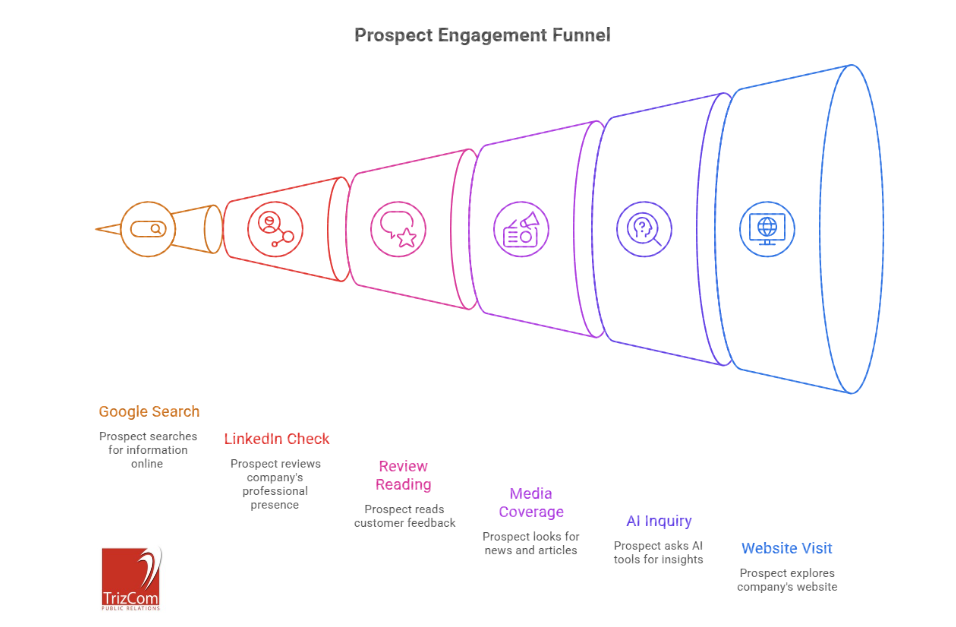
Consider what happens when a prospective customer, employee or business partner asks ChatGPT, Google Gemini or Perplexity whether a particular company has been associated with racial discrimination or a public controversy. An AI platform may draw from historical articles, web pages and other available information to construct its response.
If those sources repeatedly connect the company's name to the incident without clearly explaining that the individual was a former employee, the resulting answer could reinforce the original misinformation. Even when corrections exist, AI-generated summaries may omit important context or present an incomplete account.
This is not to suggest that AI automatically treats every accusation as fact. Its responses vary depending on the platform, the available sources and the way a question is asked. But it introduces a reputational concern that companies cannot afford to overlook. Information published during a brief period of public outrage may continue to influence how an organization is described years later.
That changes the scope of reputation management. It is no longer enough to monitor what journalists publish or what appears on the first page of Google. Companies also need to understand how AI systems describe their businesses, whether those descriptions are accurate and which sources support the answers.
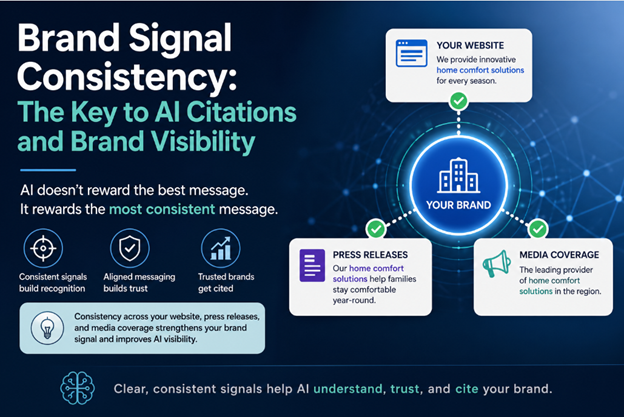
For a company that has been falsely associated with misconduct, the priority is to establish a clear, accessible factual record. Accurate website content, corrected news coverage and consistent information across credible third-party sources can help AI systems distinguish between an allegation and a verified company action.
Nobody can guarantee what an AI platform will say. But leaving outdated or incomplete information unaddressed gives misinformation more opportunities to resurface.
Should Companies Respond to Every Negative Comment?
One of the easiest ways to make a reputational crisis worse is to attempt to answer every person on the internet. I understand the temptation, especially when the accusation is false. It is infuriating to watch strangers make statements about your company that you know are inaccurate.
But engaging in endless online arguments rarely changes public opinion. More often, it keeps the controversy circulating.
The more effective approach is to identify where inaccurate information is doing the greatest harm and concentrate communications efforts there. That may involve correcting a news report, addressing a widely shared social media post, providing information to concerned customers or helping employees respond confidently to questions.
Internal communications deserve particular attention. Employees should never have to learn from social media that their employer is supposedly involved in a national controversy. In our client's case, thousands of people suddenly found themselves associated with conduct that had nothing to do with their work. They needed accurate information and reassurance that leadership was managing the situation.
Measurement matters, too. PR analytics and reporting can help an organization assess whether corrections are reaching key audiences, whether misleading coverage remains visible and whether the public narrative is changing. In today's environment, that analysis should also include recurring reviews of AI-generated answers.
The objective isn't to eliminate every negative opinion. That's neither realistic nor necessary. The objective is to ensure that people making decisions about the company have access to accurate information.
Is Your Company Prepared for a Crisis It Didn't Cause?
When I founded TrizCom PR in 2008, our premise was simple. We either get companies in the news or we keep them out of the news. Nearly two decades later, I still believe in that philosophy, although the definition of protecting a company has expanded considerably.
Today, a company's reputation exists across traditional media, social platforms, review websites, search engines and AI-generated answers. A single inaccurate association can travel through those channels long after the original incident has faded from public attention.
The Houston case illustrates a reality that every CEO and business owner needs to understand. Your organization can make responsible decisions, establish appropriate policies and maintain high standards, yet still face a crisis because someone on the internet connected your name to an unrelated incident.
And when that happens, telling the truth is only the beginning. The company must document it, communicate it, establish credible sources and monitor whether the accurate account continues to reach the audiences that matter.
I often ask executives whether their organizations have a plan for responding to a crisis. Perhaps the more revealing question is whether they have a plan for responding to a crisis they didn't cause.
Because those may be the situations in which their reputations are most difficult to defend.
What Does the Internet Believe About Your Company?
At TrizCom Public Relations, we help companies prepare for reputational threats, respond when a crisis occurs and address misinformation across traditional media, digital platforms and AI search.
Whether your organization is confronting a false accusation, discovering outdated information online or questioning how AI platforms describe your brand, the first step is understanding what people are finding and whether it reflects the facts.
Your company's reputation shouldn't be defined by an accusation that isn't true.
If you're concerned about what the internet or AI is saying about your business, contact me at jo@trizcom.com. We can discuss your company's reputation, crisis readiness and what it takes to establish an accurate public record.
Frequently Asked Questions About Crisis Communications and Reputation Management
What should a company do if it is falsely accused of misconduct?
The first priority is to verify the facts, document what happened and determine where the accusation originated. Companies need to understand how the misinformation is spreading and which audiences are affected before responding publicly. A coordinated crisis communications response should address the accusation directly, present verifiable evidence and acknowledge any legitimate concerns without accepting responsibility for something the organization did not do. The objective is to establish an accurate public record while protecting relationships with employees, customers and business partners.
When should a company hire a crisis communications agency?
A company should consider engaging a crisis communications agency when an incident threatens its reputation, generates sustained negative attention or creates uncertainty among important stakeholders. Waiting until a situation attracts national media attention can make it more difficult to correct misinformation. An experienced agency can assess the situation, establish messaging, coordinate with legal counsel and leadership and manage media inquiries while the company continues operating.
How can a company protect its reputation when a former employee goes viral for inappropriate behavior?
A company should establish and document the individual's employment status, clarify whether the incident occurred during or after their employment and promptly correct inaccurate public claims. If the individual no longer works for the organization, that distinction should appear prominently in communications. The company can acknowledge concerns about the behavior without implying organizational responsibility. Monitoring news coverage, social media and online reviews also helps identify where inaccurate associations require correction.
How should a company respond to false accusations spreading on social media?
The most effective response begins with one clear, factual message that can be used consistently across relevant channels. Companies should prioritize correcting influential posts and addressing questions from customers, journalists and employees rather than responding to every comment. When written statements are not reaching audiences, a direct video message from leadership may help communicate the facts. Public arguments and defensive language often keep the controversy circulating without improving understanding.
Can negative publicity damage a company's reputation even when the allegations are false?
Yes. Online audiences often encounter an accusation before they see a correction, and the initial association can influence their perception of a business. False allegations can contribute to negative reviews, customer inquiries, employee concerns and unfavorable media attention. They can also remain visible in search results long after the original controversy ends. This makes reputation management important even when an organization has evidence demonstrating that an accusation is inaccurate.
How can a company remove false information from news articles and search results?
A company can contact journalists, editors and website publishers with documented corrections and request that inaccurate information be updated or removed. Search engines generally reflect information available on third-party websites, so correcting the original source is often more productive than focusing exclusively on search rankings. Companies can also publish authoritative factual information on their own websites. Not every publisher will agree to a correction, and removal from search results cannot be guaranteed.
How does negative publicity affect what ChatGPT and other AI platforms say about a company?
AI platforms may draw on news coverage, websites and other accessible information when answering questions about a company's reputation. If those sources contain outdated allegations or incomplete reporting, AI-generated responses may repeat misleading associations. A company can assess this exposure by testing relevant questions across AI platforms, identifying recurring inaccuracies and reviewing the sources cited. Correcting source material and publishing clear factual information can improve the information available to AI systems, although no organization can guarantee a particular AI-generated answer.
What is the difference between crisis communications and reputation management?
Crisis communications focuses on responding to an immediate situation that threatens an organization's credibility, relationships or operations. It includes assessing the facts, preparing statements, coordinating leadership and managing public and media inquiries. Reputation management takes a longer-term approach, addressing how an organization is perceived across news coverage, online reviews, search engines, social media and AI platforms. The two services work together because the effects of a crisis can continue long after the original incident has ended.
How can marketing leaders measure whether a crisis communications strategy is working?
Marketing and communications leaders can track the accuracy of media coverage, the volume and sentiment of public mentions, the reach of corrections and changes in online reviews. They can also monitor whether important audiences understand the company's position and whether false claims continue appearing in search and AI-generated responses. Effective PR analytics and reporting measure more than the number of published articles or social media impressions. The central question is whether accurate information is reaching the people whose decisions affect the business.
How can a company prepare for a reputational crisis before one occurs?
Preparation begins with a documented crisis communications plan that identifies decision-makers, spokespersons, approval procedures and internal notification protocols. Companies can also prepare response templates, establish media monitoring, review their online reputation and identify likely sources of misinformation. Regular crisis exercises help leadership understand how decisions will be made under pressure. Incorporating AI visibility assessments into this preparation can reveal inaccuracies that may already exist, giving the organization an opportunity to address them before a controversy draws attention to them.
Need help protecting your company's reputation?
TrizCom PR helps organizations prepare for reputational risks, respond to public controversies and correct misinformation across traditional media, digital platforms and AI search. Explore our public relations and reputation services or contact jo@trizcom.com to discuss your company's crisis readiness.

About the Author:
Jo Trizila – Founder & CEO of TrizCom PR
Jo Trizila is the founder and CEO of TrizCom PR, a leading Dallas-based public relations firm known for delivering strategic communications that drive business growth and enhance brand reputations, as well as Pitch PR, a press release distribution agency. Jo is also a proud founding member of The Public Relations Collective. With over 30 years of experience in PR and marketing, Jo has helped countless organizations navigate complex communication challenges, ranging from crisis management to brand storytelling. Under her leadership, TrizCom PR has earned recognition for its results-driven approach, combining traditional and integrated digital strategies to deliver impactful, measurable outcomes for clients across various industries, including healthcare, technology and nonprofit sectors. Jo is passionate about helping businesses amplify their voices and connect meaningfully with audiences. Her hands-on approach and commitment to excellence have established TrizCom PR as a trusted partner for companies seeking to elevate their brand and achieve lasting success. Contact Jo at jo@TrizCom.com.